
Location
A Comprehensive Guide to Lumbar Facet Syndrome: Understanding the Cause and Finding Lasting Relief in De Pere & Green Bay
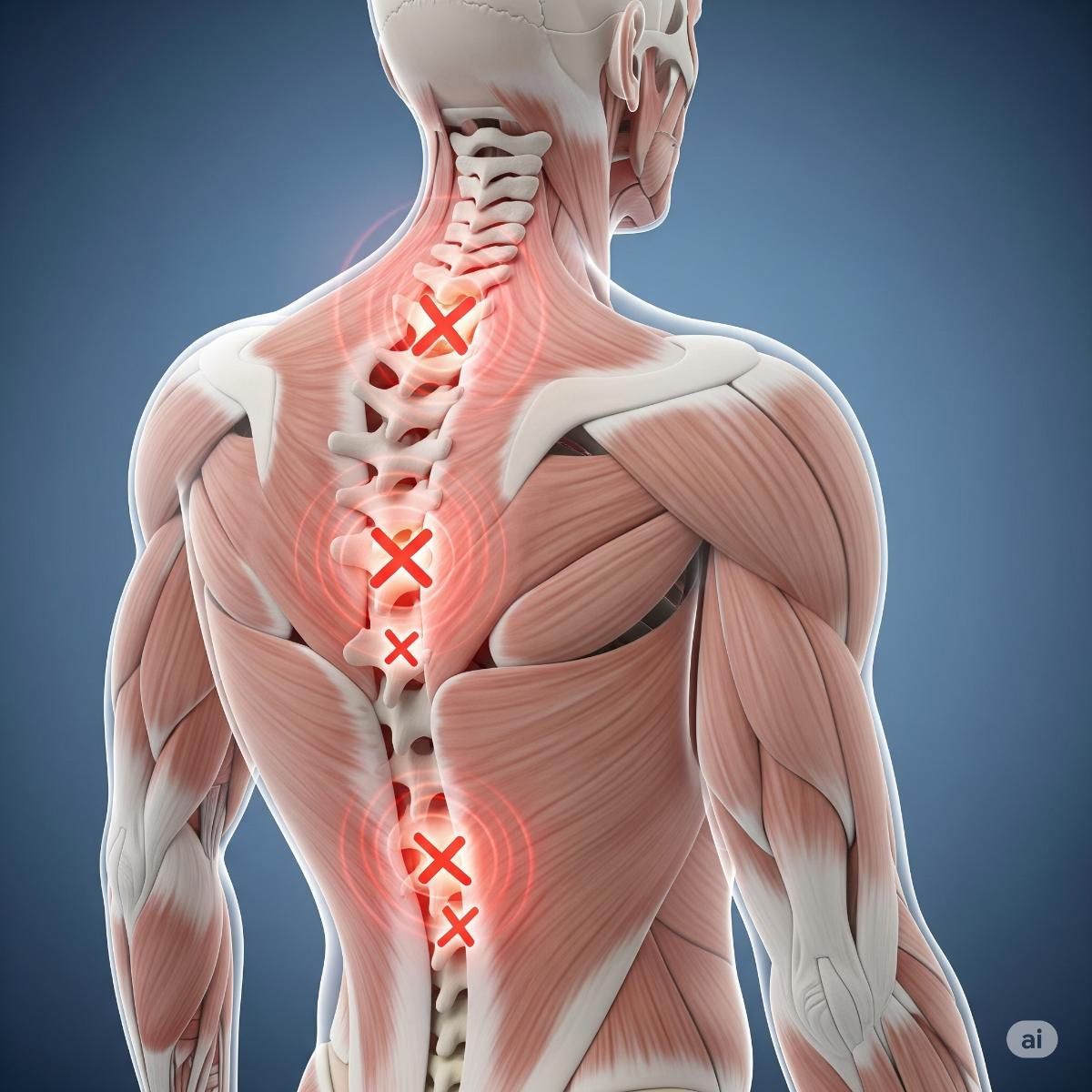
- posted: Sep. 02, 2025
Beyond a "Simple" Backache: Understanding Lumbar Facet Syndrome
Persistent low back pain can be a frustrating and debilitating experience, impacting everything from the simplest daily tasks to the ability to engage in work or hobbies. While many people attribute this discomfort to a pulled muscle or a slipped disc, the source of the pain is often a specific, yet commonly overlooked, condition: lumbar facet syndrome. This expert guide provides a deep exploration of this condition, from its underlying causes to the full range of treatment options available, and highlights the specialized, evidence-based care available to the De Pere and Green Bay communities.
Defining the Facet Joints
The facet joints, also known as zygapophyseal joints, are crucial components of the spine's complex anatomy. They are the critical links between the bones of the spine, serving as synovial joints formed by the articulation of adjacent vertebrae. Functionally, these joints are the spine's hinges, allowing it to bend and twist while simultaneously limiting excessive rotation and preventing the vertebrae from slipping too far forward. Each facet joint is covered in smooth cartilage and enclosed within a joint capsule containing synovial fluid, which together facilitate smooth movement and minimize friction.
What Is Lumbar Facet Syndrome?
Lumbar facet syndrome is a painful condition that occurs when the facet joints of the lower spine become a source of pain. This dysfunction can arise from a number of factors, including injury, inflammation, and degenerative changes. The pain is mediated by the joints themselves, which become irritated and inflamed, often leading to a cascade of physical changes in the surrounding area.
This condition is not a rare occurrence. It is a common contributor to disability and chronic low back pain, with a reported prevalence ranging from 15% to 41% among individuals with persistent back pain. The significant impact on a large segment of the population underscores the importance of a proper diagnosis and effective treatment.
Causes of Facet Joint Pain
The most common cause of facet joint disease is the natural degeneration of the spine, a process known as spondylosis. When this degeneration is the result of natural wear and tear or abnormal body mechanics, the condition is referred to as osteoarthritis. As the cartilage within the joint wears down, the body responds with physical changes, such as thickening of ligaments, new bone formation around the joint (osteophytes or "bone spurs"), and inflammation. This is particularly prevalent in the elderly population and in those who are overweight, as obesity can place additional, abnormal stress on the joints.
Beyond degeneration, trauma and repetitive motion are also primary causes of facet joint dysfunction. Sports and activities that require repeated extension (arching the back) or rotation can lead to microtrauma and wear down the cartilage, placing pressure on the nerves as they exit the spinal cord. This is a frequent issue among athletes and others with physically demanding occupations. Other contributing factors include poor physical conditioning, a sedentary lifestyle, and improper posture, all of which can place undue stress on the spinal structures.
Understanding the Symptoms
The clinical presentation of lumbar facet syndrome can be variable, but a set of hallmark symptoms often distinguishes it from other forms of back pain. Patients typically report a chronic, dull ache in the low back that intensifies with spinal extension and rotation. Stiffness, particularly in the morning or after periods of inactivity, is also a common complaint. The pain is often localized to the affected joint and surrounding muscles, typically on one side of the spine, though it can radiate into the buttocks, hip, and at times, the leg.
A particularly important clinical detail is the distinction between this radiating pain and true sciatic pain. The radiating pain associated with facet syndrome is often described as "pseudo-radicular" because it can mimic sciatica but is typically non-radiating and does not present with associated neurological deficits like numbness or weakness. This differentiation is critical because it helps a skilled clinician pinpoint the true source of the pain, avoiding misdiagnoses and directing the patient toward the most effective treatment. An individual experiencing leg pain might assume they have a disc herniation, but a thorough examination can determine if the pain is originating from the facet joints instead. This highlights the value of an expert evaluation, as an accurate diagnosis is the first and most crucial step toward relief.
Pinpointing the Problem: The Diagnostic Process
The Importance of a Thorough Examination
Diagnosing lumbar facet syndrome requires a systematic and comprehensive approach. Because the symptoms can overlap with other conditions, a clinical diagnosis is often based on a detailed patient history and a physical examination. During this process, a practitioner will ask about the nature and location of the pain, what activities worsen or relieve the symptoms, and other relevant health information. The physical exam includes assessing the patient's range of motion and palpating the facet joints to determine tenderness and stiffness. A patient may also exhibit a painful, restricted range of motion, particularly in extension and rotation. These findings, when combined with the patient's history, provide a strong clinical picture that guides the next steps of the diagnostic journey.
The Role of Imaging and Confirmatory Tests
While a clinical examination is essential, imaging and other specialized tests play a supportive role in diagnosis. Imaging methods such as X-rays, computed tomography (CT) scans, and magnetic resonance imaging (MRI) can reveal degenerative changes, joint space narrowing, and the presence of osteophytes. However, these findings can also be present in individuals who are asymptomatic, which means imaging alone is often not sufficient to confirm that the facet joints are the source of the pain.
Among the imaging options, MRI is considered a superior tool for evaluating lumbar facet joint disease. It can provide detailed information about the degree of degeneration, inflammation, and joint space. Nevertheless, the definitive diagnosis of facet joint syndrome is often confirmed through a diagnostic block. This procedure involves injecting a local anesthetic into the specific facet joint or the medial branch nerves that innervate it. If the injection provides immediate and significant pain relief, it confirms that the facet joint is the pain generator. This multi-faceted diagnostic process ensures that the pain is accurately attributed to the facet joints, leading to a more targeted and effective treatment plan.
To help differentiate lumbar facet syndrome from other common causes of back pain, the following table provides a clear comparison of key symptoms and characteristics.
Table 1: Lumbar Facet Syndrome vs. Other Back Pain Causes
| Condition | Key Symptoms | Common Aggravating Factors | Common Relieving Factors |
| Lumbar Facet Syndrome | Chronic, dull low back ache; stiffness; unilateral pain | Spinal extension and rotation; prolonged inactivity (e.g., mornings) | Walking; lying with knees bent; gentle movement |
| Disc Herniation | Sharp, stabbing pain; potential neurological symptoms (weakness, numbness) | Sitting; flexion; coughing/sneezing | Lying down; rest |
| Muscular Sprain | Localized tenderness; pain with specific movement | Overexertion; lifting heavy objects; twisting | Rest; hot/cold therapy; massage |
The Full Spectrum of Treatment Options
Navigating the landscape of back pain treatment can be complex, but understanding the full range of options is crucial for making an informed decision. Treatment approaches for lumbar facet syndrome are varied, ranging from conservative, non-invasive methods to more aggressive interventions.
A Balanced Overview of Conventional Treatments
Conventional medical care for facet syndrome typically begins with conservative measures. Over-the-counter anti-inflammatory medications like ibuprofen or naproxen and pain relievers such as acetaminophen are often recommended to manage symptoms. While these medications can provide temporary relief, they primarily address the symptoms and not the underlying cause of the pain. Physical therapy is another common recommendation, focusing on postural correction, stretching, and strengthening the core muscles to improve stability and function.
If conservative treatments prove ineffective, more invasive procedures may be considered. Facet joint injections, which deliver a corticosteroid and a local anesthetic directly into the joint, are often used for both diagnostic and therapeutic purposes. These injections can provide long-term pain relief by reducing inflammation, but their effects can be temporary, requiring repeat procedures. Surgery, such as a lumbar spinal fusion or laminectomy, is generally considered a last resort and is only advised when all other conservative attempts to resolve the condition have been unsuccessful.
The Rise of Conservative, Non-Pharmacological Care
In recent years, there has been a significant and widely documented shift in healthcare philosophy, moving away from a primary reliance on pharmaceuticals and invasive procedures for chronic back pain. This change is a direct response to a broader public health challenge: the opioid crisis. Research has found that a majority of opioid-related deaths are linked to chronic pain. In light of this, major medical organizations are actively re-evaluating the standard of care for low back pain.
The American College of Physicians (ACP) is a prominent example of this new approach. Their guidelines for low back pain recommend that patients receive non-pharmacological interventions as a first-line treatment. These guidelines advocate for a multidisciplinary, collaborative care model that places well-trained clinicians with specific expertise in musculoskeletal conditions, such as physical therapists and doctors of chiropractic, as first-line providers for low back pain. This recommendation is grounded in studies that demonstrate that this model of care is feasible, safe, and can lead to improved physical function, less pain, and a reduced need for opioid prescriptions. This evolution in medical thinking re-frames non-invasive treatments, such as chiropractic care, not merely as alternatives but as the endorsed, evidence-based first choice for managing low back pain effectively and safely.
The following table provides a comparison of various treatment options for low back pain, highlighting their methods, benefits, and potential drawbacks.
Table 2: Comparison of Treatment Interventions for Low Back Pain
| Treatment | Method | Key Pros | Key Cons |
| Medications | Oral anti-inflammatories, pain relievers | Temporary pain relief; accessible | Does not address root cause; potential for side effects; can lead to long-term dependence |
| Physical Therapy | Targeted exercises, stretches | Improves strength, flexibility, and mobility | Can be slow to produce results; may not address underlying joint dysfunction directly |
| Injections | Corticosteroid or anesthetic injections | Can provide significant, long-term relief; diagnostic tool | Invasive; effects may be temporary; potential for rare side effects |
| Surgery | Laminectomy, spinal fusion | Can provide a permanent solution for severe cases | Invasive; high risk; long recovery time; should be a last resort |
| Chiropractic Care | Spinal adjustments, non-surgical decompression | Non-invasive and drug-free; addresses root cause; reduces dependence on medication | May require multiple sessions; some patients may experience temporary soreness |
The Chiropractic Advantage: A First-Line Solution
Chiropractic care offers a powerful, non-invasive approach to managing lumbar facet syndrome by addressing the root neurological, mechanical, and muscular issues that contribute to the pain. This form of treatment focuses on restoring proper movement and alignment to the spine, which in turn alleviates pressure on the facet joints and surrounding nerves, promoting natural healing.
The Science Behind the Adjustments
The primary technique in chiropractic care is spinal manipulation, where a practitioner applies a controlled thrust to a joint of the spine to restore its range of motion. During this process, an audible "pop" or "crack" often occurs. This sound is not the result of bones breaking or grinding, but rather the rapid distention of the facet joint surfaces, causing a cavitation within the synovial fluid—the release of a nitrogen gas bubble.
The biomechanical safety of spinal manipulation has been substantiated in research. A study that measured the strains on the facet joint capsule (FJC) during simulated spinal manipulation found that the magnitudes of these strains were well within the physiological range that occurs during normal, everyday movements. This indicates that the procedure is biomechanically safe. The research further suggests that the beneficial effects of spinal manipulation may not require precise segmental specificity, as the strains at a given facet joint were similar regardless of the exact manipulation site. This supports the idea that the treatment's effectiveness comes from its ability to stimulate the mechano-sensitive neurons in the joint, which can reduce pain signals and promote proper function.
Reputable Endorsements of Chiropractic Care for Back Pain
The endorsement of chiropractic care by major medical bodies lends significant credibility to its role as a first-line treatment for back pain. As previously mentioned, the American College of Physicians (ACP) now recommends spinal manipulation as a key non-pharmacological intervention for low back pain, particularly to help reduce the reliance on pain medication. This recommendation places chiropractic care at the forefront of a modern, evidence-based treatment strategy.
Additionally, chiropractic care has been integrated into other large healthcare systems. The TRICARE Chiropractic Health Care Program, for example, covers chiropractic services for active duty service members at designated military hospitals and clinics. The fact that a robust government healthcare program has established coverage for this care speaks to its recognized efficacy for common musculoskeletal complaints such as back pain.
While some organizations have expressed concerns regarding the scope of practice and the training of chiropractors relative to medical doctors, the scientific literature and major clinical guidelines continue to affirm the effectiveness and safety of spinal manipulation for low back pain and conditions like lumbar facet syndrome. By being transparent about these discussions, a chiropractor can showcase a nuanced and sophisticated understanding of their role within the broader healthcare ecosystem, reinforcing their credibility and commitment to an evidence-based practice.
A Tailored Approach: Why Dr. Kocken is a Top Provider in De Pere & Green Bay
Finding the right healthcare provider for a complex condition like lumbar facet syndrome is crucial. The provider's qualifications, experience, and patient-centered philosophy are paramount. Dr. Alex Kocken, a board-certified chiropractor based in De Pere, has established himself as a leading expert in the treatment of this specific condition.
A powerful testament to Dr. Kocken's expertise and the effectiveness of his approach is his recognition as a "Top Provider in Clinical Outcome (2018) for treating Lumbar Facet Syndrome" by ChiroUp.com. This accolade is not merely an award; it is a data-driven validation of his ability to achieve superior results for his patients. It directly reflects his philosophy of providing care that is "evidence-based and outcome-driven," utilizing the latest research, techniques, and technologies to ensure the best possible care for each patient. This award demonstrates that his methods consistently lead to measurable and positive results, setting him apart as a proven leader in his field.
Dr. Kocken's expertise extends beyond just this specific condition. As the official chiropractor for St. Norbert College Athletics, he has extensive experience treating athletes at all levels, focusing on injury prevention and performance enhancement. This experience is complemented by over 160 hours of post-graduate training in musculoskeletal care. His commitment to ongoing professional development is further evidenced by his leadership roles within the Wisconsin Chiropractic Association and his membership in forward-thinking professional alliances.
Patient testimonials also provide powerful, firsthand accounts of the quality of care provided at Kocken Chiropractic. Patients consistently highlight Dr. Kocken's professionalism, knowledge, and personalized approach. One patient, Rochelle B., notes that he is "very knowledgeable with progressive thinking and professionalism" and "truly listens" to his patients. Another patient, Leah E., praises his detailed explanations, stating that he takes the time to provide "a detailed explanation as to what specific services he will be providing to you based on a tailored plan of care he has personally developed". These accounts align with his stated mission to create customized solutions for each individual. A particularly compelling story comes from Nicole T., who had seen "3 other chiropractors" and numerous other specialists before finding relief with Dr. Kocken, who "was able to tell me what was wrong" and helped her heal. These testimonials underscore the clinic's reputation for providing effective, tailored care that prioritizes the patient's understanding and long-term well-being.
Empowering Your Health: Exercises and Lifestyle Changes
An effective approach to treating lumbar facet syndrome is a partnership between the patient and the provider. While a chiropractor can provide expert treatment, the patient's active participation through lifestyle adjustments and at-home exercises is essential for long-term recovery and prevention.
A crucial element of this partnership is addressing the vicious cycle of pain and inactivity. When a person is in pain, they tend to move less, which can lead to increased stiffness and decreased flexibility. This inactivity, in turn, can worsen inflammation and pain, creating a self-perpetuating loop. By providing a clear, simple plan for gentle movement and lifestyle changes, a provider can empower the patient to break this cycle and regain control of their health.
At-Home Exercises and Stretches
Gentle, controlled exercises can help reduce stiffness, improve flexibility, and strengthen supporting muscles. It is important to perform these exercises slowly and to stop if any sharp pain occurs. Common exercises for lumbar facet syndrome include:
Knees to Chest: Lying on the back with knees bent, slowly bring one knee up toward the chest, holding the stretch briefly. This can be done one leg at a time or with both legs simultaneously for a deeper stretch.
Cat and Camel: Starting on the hands and knees, slowly arch the back up like a cat, tucking the chin in, and then let the back sag down toward the floor. This movement helps to gently increase the flexibility of the spine.
"Sloppy Pushup" (Cobra Stretch): Lying face down with hands near the shoulders, gently push up with the arms while keeping the hips on the floor. This provides a mild extension stretch for the low back.
Single Leg Abdominal Press: Lying on the back with knees bent, lift one leg so the knee and hip are at a 90-degree angle. Press the opposite hand against the knee while pushing back with the knee, tightening the core muscles.
Long-Term Lifestyle Adjustments
Beyond targeted exercises, several lifestyle modifications can play a significant role in managing facet joint pain and preventing its recurrence.
Posture: Maintaining proper posture is vital, as poor posture places abnormal and unnecessary stress on the spinal joints, contributing to both the development and worsening of facet syndrome. A chiropractor can provide guidance on correct sitting, standing, and lifting techniques.
Weight Management: Research has established a direct link between an unhealthy body mass index (BMI) and the development of facet joint disease. Carrying excess weight increases the pressure on the facet joints, which can accelerate cartilage damage and inflammation.
Sleep Posture: The way a person sleeps can significantly impact their spinal health. For side sleepers, placing a pillow between the legs can help align the spine, hips, and pelvis. Back sleepers can benefit from placing a pillow under their legs and a soft support under their lower back to maintain a neutral spinal position.
These simple yet effective measures, when combined with professional care, can help individuals regain mobility, reduce pain, and take control of their long-term spinal health.
Take the First Step Toward Lasting Relief
Lumbar facet syndrome is a distinct and often debilitating cause of low back pain, but it is a condition that responds well to expert, non-invasive treatment. For the communities of De Pere and Green Bay, Dr. Kocken offers a proven, evidence-based approach that is at the forefront of modern musculoskeletal care. His recognition as a top provider for treating this condition is a testament to his expertise and commitment to achieving positive patient outcomes.
By focusing on a personalized, hands-on approach that addresses the root cause of the pain through techniques like spinal manipulation and non-surgical decompression, Kocken Chiropractic provides a safe, effective alternative to medication and surgery. A consultation is the first step toward a proper diagnosis and the development of a tailored treatment plan. For those in De Pere, Green Bay, and the surrounding areas, a path to lasting relief from the limitations of lumbar facet syndrome is a call or click away.
Sources:
https://www.nationwidechildrens.org/conditions/sports-medicine-lumbar-facet-syndrome
https://atlantabrainandspine.com/living-with-spinal-arthritis-lifestyle-changes-that-can-help/
https://www.uchealth.org/diseases-conditions/facet-joint-syndrome/
https://www.cedars-sinai.org/health-library/diseases-and-conditions/f/facet-joint-syndrome.html
https://www.guysandstthomas.nhs.uk/health-information/facet-joint-injections-treating-pain
https://sportsmedicine.mayoclinic.org/condition/facet-arthritis/page/1
https://advancedwellnesssolutions.com/2015/07/14/chiropractic-treatment-facet-syndrome/
https://www.kockenchiropractic.com/blogs/tag/379874-back-pain
https://bmjopen.bmj.com/content/bmjopen/15/3/e097133.full.pdf
https://www.nccih.nih.gov/health/spinal-manipulation-what-you-need-to-know
https://www.aaem.org/statements/ama-chiropractic-medicare-coverage-modernization-act/
https://www.sciatica.com/blog/12-facet-joint-syndrome-pain-treatments/
https://drwilderman.com/patient-resources/exercises/exercises-for-back-pain-facet-joint-impingement/
https://www.vandrissechiropractic.com/back-pain-relief-chiropractic/
https://harborwellnessco.com/blog/benefits-of-chiropractic-care-for-facet-joint-syndrome
- posted: Sep. 02, 2025
Beyond a "Simple" Backache: Understanding Lumbar Facet Syndrome
Persistent low back pain can be a frustrating and debilitating experience, impacting everything from the simplest daily tasks to the ability to engage in work or hobbies. While many people attribute this discomfort to a pulled muscle or a slipped disc, the source of the pain is often a specific, yet commonly overlooked, condition: lumbar facet syndrome. This expert guide provides a deep exploration of this condition, from its underlying causes to the full range of treatment options available, and highlights the specialized, evidence-based care available to the De Pere and Green Bay communities.
Defining the Facet Joints
The facet joints, also known as zygapophyseal joints, are crucial components of the spine's complex anatomy. They are the critical links between the bones of the spine, serving as synovial joints formed by the articulation of adjacent vertebrae. Functionally, these joints are the spine's hinges, allowing it to bend and twist while simultaneously limiting excessive rotation and preventing the vertebrae from slipping too far forward. Each facet joint is covered in smooth cartilage and enclosed within a joint capsule containing synovial fluid, which together facilitate smooth movement and minimize friction.
What Is Lumbar Facet Syndrome?
Lumbar facet syndrome is a painful condition that occurs when the facet joints of the lower spine become a source of pain. This dysfunction can arise from a number of factors, including injury, inflammation, and degenerative changes. The pain is mediated by the joints themselves, which become irritated and inflamed, often leading to a cascade of physical changes in the surrounding area.
This condition is not a rare occurrence. It is a common contributor to disability and chronic low back pain, with a reported prevalence ranging from 15% to 41% among individuals with persistent back pain. The significant impact on a large segment of the population underscores the importance of a proper diagnosis and effective treatment.
Causes of Facet Joint Pain
The most common cause of facet joint disease is the natural degeneration of the spine, a process known as spondylosis. When this degeneration is the result of natural wear and tear or abnormal body mechanics, the condition is referred to as osteoarthritis. As the cartilage within the joint wears down, the body responds with physical changes, such as thickening of ligaments, new bone formation around the joint (osteophytes or "bone spurs"), and inflammation. This is particularly prevalent in the elderly population and in those who are overweight, as obesity can place additional, abnormal stress on the joints.
Beyond degeneration, trauma and repetitive motion are also primary causes of facet joint dysfunction. Sports and activities that require repeated extension (arching the back) or rotation can lead to microtrauma and wear down the cartilage, placing pressure on the nerves as they exit the spinal cord. This is a frequent issue among athletes and others with physically demanding occupations. Other contributing factors include poor physical conditioning, a sedentary lifestyle, and improper posture, all of which can place undue stress on the spinal structures.
Understanding the Symptoms
The clinical presentation of lumbar facet syndrome can be variable, but a set of hallmark symptoms often distinguishes it from other forms of back pain. Patients typically report a chronic, dull ache in the low back that intensifies with spinal extension and rotation. Stiffness, particularly in the morning or after periods of inactivity, is also a common complaint. The pain is often localized to the affected joint and surrounding muscles, typically on one side of the spine, though it can radiate into the buttocks, hip, and at times, the leg.
A particularly important clinical detail is the distinction between this radiating pain and true sciatic pain. The radiating pain associated with facet syndrome is often described as "pseudo-radicular" because it can mimic sciatica but is typically non-radiating and does not present with associated neurological deficits like numbness or weakness. This differentiation is critical because it helps a skilled clinician pinpoint the true source of the pain, avoiding misdiagnoses and directing the patient toward the most effective treatment. An individual experiencing leg pain might assume they have a disc herniation, but a thorough examination can determine if the pain is originating from the facet joints instead. This highlights the value of an expert evaluation, as an accurate diagnosis is the first and most crucial step toward relief.
Pinpointing the Problem: The Diagnostic Process
The Importance of a Thorough Examination
Diagnosing lumbar facet syndrome requires a systematic and comprehensive approach. Because the symptoms can overlap with other conditions, a clinical diagnosis is often based on a detailed patient history and a physical examination. During this process, a practitioner will ask about the nature and location of the pain, what activities worsen or relieve the symptoms, and other relevant health information. The physical exam includes assessing the patient's range of motion and palpating the facet joints to determine tenderness and stiffness. A patient may also exhibit a painful, restricted range of motion, particularly in extension and rotation. These findings, when combined with the patient's history, provide a strong clinical picture that guides the next steps of the diagnostic journey.
The Role of Imaging and Confirmatory Tests
While a clinical examination is essential, imaging and other specialized tests play a supportive role in diagnosis. Imaging methods such as X-rays, computed tomography (CT) scans, and magnetic resonance imaging (MRI) can reveal degenerative changes, joint space narrowing, and the presence of osteophytes. However, these findings can also be present in individuals who are asymptomatic, which means imaging alone is often not sufficient to confirm that the facet joints are the source of the pain.
Among the imaging options, MRI is considered a superior tool for evaluating lumbar facet joint disease. It can provide detailed information about the degree of degeneration, inflammation, and joint space. Nevertheless, the definitive diagnosis of facet joint syndrome is often confirmed through a diagnostic block. This procedure involves injecting a local anesthetic into the specific facet joint or the medial branch nerves that innervate it. If the injection provides immediate and significant pain relief, it confirms that the facet joint is the pain generator. This multi-faceted diagnostic process ensures that the pain is accurately attributed to the facet joints, leading to a more targeted and effective treatment plan.
To help differentiate lumbar facet syndrome from other common causes of back pain, the following table provides a clear comparison of key symptoms and characteristics.
Table 1: Lumbar Facet Syndrome vs. Other Back Pain Causes
| Condition | Key Symptoms | Common Aggravating Factors | Common Relieving Factors |
| Lumbar Facet Syndrome | Chronic, dull low back ache; stiffness; unilateral pain | Spinal extension and rotation; prolonged inactivity (e.g., mornings) | Walking; lying with knees bent; gentle movement |
| Disc Herniation | Sharp, stabbing pain; potential neurological symptoms (weakness, numbness) | Sitting; flexion; coughing/sneezing | Lying down; rest |
| Muscular Sprain | Localized tenderness; pain with specific movement | Overexertion; lifting heavy objects; twisting | Rest; hot/cold therapy; massage |
The Full Spectrum of Treatment Options
Navigating the landscape of back pain treatment can be complex, but understanding the full range of options is crucial for making an informed decision. Treatment approaches for lumbar facet syndrome are varied, ranging from conservative, non-invasive methods to more aggressive interventions.
A Balanced Overview of Conventional Treatments
Conventional medical care for facet syndrome typically begins with conservative measures. Over-the-counter anti-inflammatory medications like ibuprofen or naproxen and pain relievers such as acetaminophen are often recommended to manage symptoms. While these medications can provide temporary relief, they primarily address the symptoms and not the underlying cause of the pain. Physical therapy is another common recommendation, focusing on postural correction, stretching, and strengthening the core muscles to improve stability and function.
If conservative treatments prove ineffective, more invasive procedures may be considered. Facet joint injections, which deliver a corticosteroid and a local anesthetic directly into the joint, are often used for both diagnostic and therapeutic purposes. These injections can provide long-term pain relief by reducing inflammation, but their effects can be temporary, requiring repeat procedures. Surgery, such as a lumbar spinal fusion or laminectomy, is generally considered a last resort and is only advised when all other conservative attempts to resolve the condition have been unsuccessful.
The Rise of Conservative, Non-Pharmacological Care
In recent years, there has been a significant and widely documented shift in healthcare philosophy, moving away from a primary reliance on pharmaceuticals and invasive procedures for chronic back pain. This change is a direct response to a broader public health challenge: the opioid crisis. Research has found that a majority of opioid-related deaths are linked to chronic pain. In light of this, major medical organizations are actively re-evaluating the standard of care for low back pain.
The American College of Physicians (ACP) is a prominent example of this new approach. Their guidelines for low back pain recommend that patients receive non-pharmacological interventions as a first-line treatment. These guidelines advocate for a multidisciplinary, collaborative care model that places well-trained clinicians with specific expertise in musculoskeletal conditions, such as physical therapists and doctors of chiropractic, as first-line providers for low back pain. This recommendation is grounded in studies that demonstrate that this model of care is feasible, safe, and can lead to improved physical function, less pain, and a reduced need for opioid prescriptions. This evolution in medical thinking re-frames non-invasive treatments, such as chiropractic care, not merely as alternatives but as the endorsed, evidence-based first choice for managing low back pain effectively and safely.
The following table provides a comparison of various treatment options for low back pain, highlighting their methods, benefits, and potential drawbacks.
Table 2: Comparison of Treatment Interventions for Low Back Pain
| Treatment | Method | Key Pros | Key Cons |
| Medications | Oral anti-inflammatories, pain relievers | Temporary pain relief; accessible | Does not address root cause; potential for side effects; can lead to long-term dependence |
| Physical Therapy | Targeted exercises, stretches | Improves strength, flexibility, and mobility | Can be slow to produce results; may not address underlying joint dysfunction directly |
| Injections | Corticosteroid or anesthetic injections | Can provide significant, long-term relief; diagnostic tool | Invasive; effects may be temporary; potential for rare side effects |
| Surgery | Laminectomy, spinal fusion | Can provide a permanent solution for severe cases | Invasive; high risk; long recovery time; should be a last resort |
| Chiropractic Care | Spinal adjustments, non-surgical decompression | Non-invasive and drug-free; addresses root cause; reduces dependence on medication | May require multiple sessions; some patients may experience temporary soreness |
The Chiropractic Advantage: A First-Line Solution
Chiropractic care offers a powerful, non-invasive approach to managing lumbar facet syndrome by addressing the root neurological, mechanical, and muscular issues that contribute to the pain. This form of treatment focuses on restoring proper movement and alignment to the spine, which in turn alleviates pressure on the facet joints and surrounding nerves, promoting natural healing.
The Science Behind the Adjustments
The primary technique in chiropractic care is spinal manipulation, where a practitioner applies a controlled thrust to a joint of the spine to restore its range of motion. During this process, an audible "pop" or "crack" often occurs. This sound is not the result of bones breaking or grinding, but rather the rapid distention of the facet joint surfaces, causing a cavitation within the synovial fluid—the release of a nitrogen gas bubble.
The biomechanical safety of spinal manipulation has been substantiated in research. A study that measured the strains on the facet joint capsule (FJC) during simulated spinal manipulation found that the magnitudes of these strains were well within the physiological range that occurs during normal, everyday movements. This indicates that the procedure is biomechanically safe. The research further suggests that the beneficial effects of spinal manipulation may not require precise segmental specificity, as the strains at a given facet joint were similar regardless of the exact manipulation site. This supports the idea that the treatment's effectiveness comes from its ability to stimulate the mechano-sensitive neurons in the joint, which can reduce pain signals and promote proper function.
Reputable Endorsements of Chiropractic Care for Back Pain
The endorsement of chiropractic care by major medical bodies lends significant credibility to its role as a first-line treatment for back pain. As previously mentioned, the American College of Physicians (ACP) now recommends spinal manipulation as a key non-pharmacological intervention for low back pain, particularly to help reduce the reliance on pain medication. This recommendation places chiropractic care at the forefront of a modern, evidence-based treatment strategy.
Additionally, chiropractic care has been integrated into other large healthcare systems. The TRICARE Chiropractic Health Care Program, for example, covers chiropractic services for active duty service members at designated military hospitals and clinics. The fact that a robust government healthcare program has established coverage for this care speaks to its recognized efficacy for common musculoskeletal complaints such as back pain.
While some organizations have expressed concerns regarding the scope of practice and the training of chiropractors relative to medical doctors, the scientific literature and major clinical guidelines continue to affirm the effectiveness and safety of spinal manipulation for low back pain and conditions like lumbar facet syndrome. By being transparent about these discussions, a chiropractor can showcase a nuanced and sophisticated understanding of their role within the broader healthcare ecosystem, reinforcing their credibility and commitment to an evidence-based practice.
A Tailored Approach: Why Dr. Kocken is a Top Provider in De Pere & Green Bay
Finding the right healthcare provider for a complex condition like lumbar facet syndrome is crucial. The provider's qualifications, experience, and patient-centered philosophy are paramount. Dr. Alex Kocken, a board-certified chiropractor based in De Pere, has established himself as a leading expert in the treatment of this specific condition.
A powerful testament to Dr. Kocken's expertise and the effectiveness of his approach is his recognition as a "Top Provider in Clinical Outcome (2018) for treating Lumbar Facet Syndrome" by ChiroUp.com. This accolade is not merely an award; it is a data-driven validation of his ability to achieve superior results for his patients. It directly reflects his philosophy of providing care that is "evidence-based and outcome-driven," utilizing the latest research, techniques, and technologies to ensure the best possible care for each patient. This award demonstrates that his methods consistently lead to measurable and positive results, setting him apart as a proven leader in his field.
Dr. Kocken's expertise extends beyond just this specific condition. As the official chiropractor for St. Norbert College Athletics, he has extensive experience treating athletes at all levels, focusing on injury prevention and performance enhancement. This experience is complemented by over 160 hours of post-graduate training in musculoskeletal care. His commitment to ongoing professional development is further evidenced by his leadership roles within the Wisconsin Chiropractic Association and his membership in forward-thinking professional alliances.
Patient testimonials also provide powerful, firsthand accounts of the quality of care provided at Kocken Chiropractic. Patients consistently highlight Dr. Kocken's professionalism, knowledge, and personalized approach. One patient, Rochelle B., notes that he is "very knowledgeable with progressive thinking and professionalism" and "truly listens" to his patients. Another patient, Leah E., praises his detailed explanations, stating that he takes the time to provide "a detailed explanation as to what specific services he will be providing to you based on a tailored plan of care he has personally developed". These accounts align with his stated mission to create customized solutions for each individual. A particularly compelling story comes from Nicole T., who had seen "3 other chiropractors" and numerous other specialists before finding relief with Dr. Kocken, who "was able to tell me what was wrong" and helped her heal. These testimonials underscore the clinic's reputation for providing effective, tailored care that prioritizes the patient's understanding and long-term well-being.
Empowering Your Health: Exercises and Lifestyle Changes
An effective approach to treating lumbar facet syndrome is a partnership between the patient and the provider. While a chiropractor can provide expert treatment, the patient's active participation through lifestyle adjustments and at-home exercises is essential for long-term recovery and prevention.
A crucial element of this partnership is addressing the vicious cycle of pain and inactivity. When a person is in pain, they tend to move less, which can lead to increased stiffness and decreased flexibility. This inactivity, in turn, can worsen inflammation and pain, creating a self-perpetuating loop. By providing a clear, simple plan for gentle movement and lifestyle changes, a provider can empower the patient to break this cycle and regain control of their health.
At-Home Exercises and Stretches
Gentle, controlled exercises can help reduce stiffness, improve flexibility, and strengthen supporting muscles. It is important to perform these exercises slowly and to stop if any sharp pain occurs. Common exercises for lumbar facet syndrome include:
Knees to Chest: Lying on the back with knees bent, slowly bring one knee up toward the chest, holding the stretch briefly. This can be done one leg at a time or with both legs simultaneously for a deeper stretch.
Cat and Camel: Starting on the hands and knees, slowly arch the back up like a cat, tucking the chin in, and then let the back sag down toward the floor. This movement helps to gently increase the flexibility of the spine.
"Sloppy Pushup" (Cobra Stretch): Lying face down with hands near the shoulders, gently push up with the arms while keeping the hips on the floor. This provides a mild extension stretch for the low back.
Single Leg Abdominal Press: Lying on the back with knees bent, lift one leg so the knee and hip are at a 90-degree angle. Press the opposite hand against the knee while pushing back with the knee, tightening the core muscles.
Long-Term Lifestyle Adjustments
Beyond targeted exercises, several lifestyle modifications can play a significant role in managing facet joint pain and preventing its recurrence.
Posture: Maintaining proper posture is vital, as poor posture places abnormal and unnecessary stress on the spinal joints, contributing to both the development and worsening of facet syndrome. A chiropractor can provide guidance on correct sitting, standing, and lifting techniques.
Weight Management: Research has established a direct link between an unhealthy body mass index (BMI) and the development of facet joint disease. Carrying excess weight increases the pressure on the facet joints, which can accelerate cartilage damage and inflammation.
Sleep Posture: The way a person sleeps can significantly impact their spinal health. For side sleepers, placing a pillow between the legs can help align the spine, hips, and pelvis. Back sleepers can benefit from placing a pillow under their legs and a soft support under their lower back to maintain a neutral spinal position.
These simple yet effective measures, when combined with professional care, can help individuals regain mobility, reduce pain, and take control of their long-term spinal health.
Take the First Step Toward Lasting Relief
Lumbar facet syndrome is a distinct and often debilitating cause of low back pain, but it is a condition that responds well to expert, non-invasive treatment. For the communities of De Pere and Green Bay, Dr. Kocken offers a proven, evidence-based approach that is at the forefront of modern musculoskeletal care. His recognition as a top provider for treating this condition is a testament to his expertise and commitment to achieving positive patient outcomes.
By focusing on a personalized, hands-on approach that addresses the root cause of the pain through techniques like spinal manipulation and non-surgical decompression, Kocken Chiropractic provides a safe, effective alternative to medication and surgery. A consultation is the first step toward a proper diagnosis and the development of a tailored treatment plan. For those in De Pere, Green Bay, and the surrounding areas, a path to lasting relief from the limitations of lumbar facet syndrome is a call or click away.
Sources:
https://www.nationwidechildrens.org/conditions/sports-medicine-lumbar-facet-syndrome
https://atlantabrainandspine.com/living-with-spinal-arthritis-lifestyle-changes-that-can-help/
https://www.uchealth.org/diseases-conditions/facet-joint-syndrome/
https://www.cedars-sinai.org/health-library/diseases-and-conditions/f/facet-joint-syndrome.html
https://www.guysandstthomas.nhs.uk/health-information/facet-joint-injections-treating-pain
https://sportsmedicine.mayoclinic.org/condition/facet-arthritis/page/1
https://advancedwellnesssolutions.com/2015/07/14/chiropractic-treatment-facet-syndrome/
https://www.kockenchiropractic.com/blogs/tag/379874-back-pain
https://bmjopen.bmj.com/content/bmjopen/15/3/e097133.full.pdf
https://www.nccih.nih.gov/health/spinal-manipulation-what-you-need-to-know
https://www.aaem.org/statements/ama-chiropractic-medicare-coverage-modernization-act/
https://www.sciatica.com/blog/12-facet-joint-syndrome-pain-treatments/
https://drwilderman.com/patient-resources/exercises/exercises-for-back-pain-facet-joint-impingement/
https://www.vandrissechiropractic.com/back-pain-relief-chiropractic/
https://harborwellnessco.com/blog/benefits-of-chiropractic-care-for-facet-joint-syndrome
Monday
8am-5:30pm
Tuesday
12pm-5:30pm
Wednesday
8am-5:30pm
Thursday
12pm-5:30pm
Friday
8am-12pm
Saturday
Closed
Sunday
Closed